

Quick answer: Blue sheets help you fall asleep fastest by lowering heart rate and blood pressure. Green reduces anxiety, while white and soft neutrals clear mental clutter. Avoid red, bright orange, and vibrant yellow—they increase alertness when you need to wind down. Side sleepers benefit most from cool tones; hot sleepers should choose blue or green over warm neutrals.
Powered by Amerisleep, EarlyBird brings together a dedicated team of sleep science coaches, engineers, and product evaluators. We meticulously examine Amerisleep’s family of products using our unique product methodology in Amerisleep’s state-of-the-art laboratory. Our commitment to sustainability is reflected in our use of eco-friendly foam in our products. Each article we publish is accurate, supported by credible sources, and regularly updated to incorporate the latest scientific literature and expert insights. Trust our top mattress selections, for your personal sleep needs.
Key Takeaways
- Color science: Blue and green have longer wavelengths that calm your nervous system; red and orange stimulate alertness
- Best for sleep: Blue (lowers heart rate), green (reduces anxiety), white (mental clarity), soft gray/beige (versatile calm)
- Worst for sleep: Red, bright orange, vibrant yellow increase heart rate and body temperature
- Personal factors: Hot sleepers benefit from cool blues/greens; cold sleepers prefer warm neutrals like cream/beige
- Sleep position: Side sleepers pair well with cool tones; combination sleepers benefit from neutrals
- Fabric matters: Breathable materials (cotton, linen, bamboo) in calming colors work better than synthetic fabrics in any color
- Quick links: See pillowcase sizes, sheet sizes and blanket sizes. Compare mattress dimensions.
You probably spend hours choosing the perfect mattress and pillows, but have you ever thought about how your sheet color affects your sleep?
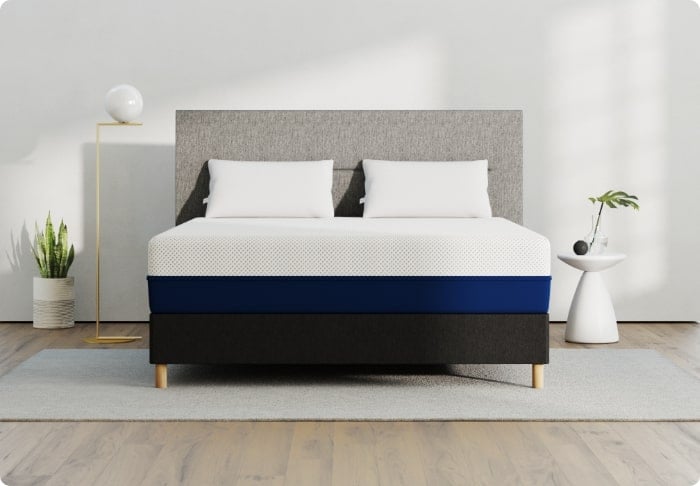
Color theory is based around creating calmness and serenity, typically with hues like blue, green, white, and soft neutrals. Such choices help promote relaxation and better rest.
While the best color ultimately depends on your personal preferences, certain shades genuinely support quality sleep better than others. The color you see right before closing your eyes can influence your heart rate, blood pressure, and stress levels.
Some colors energize you when you need to wind down, while others help your brain shift into sleep mode naturally. This guide breaks down which sheet colors support quality rest and which ones might keep you tossing and turning.
Read on to discover how choosing the right sheet color can transform your bedroom into a true sleep sanctuary. Keep reading to learn which shades help you fall asleep faster and wake up more refreshed.
How Do Sheet Colors Affect Your Body and Sleep Quality?
Your eyes don’t just see colors. Your brain interprets different wavelengths of light as different colors. Each wavelength creates real physical and emotional responses in your nervous system.
Cool colors like blue and green have longer wavelengths that your brain associates with calm environments like the sky and forests.
Warm colors like red and orange have shorter wavelengths that signal activity and alertness. Your body naturally responds to these color signals even when you’re not consciously thinking about them.
Now this is admittedly limited because we are looking at how these colors are generally perceived in North America, and you may get different color readings in other parts of the world. The psychology of colors is culturally learned, after all.
Physical Responses: Heart Rate, Blood Pressure, and Body Temperature
Colors directly impact your body’s vital signs as you prepare for sleep. Blue tones can slow your heart rate and lower your blood pressure, creating the physical conditions your body needs to fall asleep. Red and bright orange do the opposite.
They can increase your heart rate and raise your body temperature, making you feel more awake. Even subtle color choices affect whether your muscles relax or stay tense as you lie in bed.
Mental Effects: How Colors Influence Thoughts and Emotions Before Sleep
The colors around you shape your emotional state and thought patterns during those critical minutes before sleep. Soft, muted colors help quiet racing thoughts and reduce anxiety that might otherwise keep you awake.
Bright or intense colors can stimulate your imagination and creativity, which sounds positive but actually works against you at bedtime. Your mind needs permission to slow down, and calming colors provide that signal better than any other bedroom element.
What Are the Best Sheet Colors for Quality Sleep?
Certain colors work with your body’s natural responses to create the perfect environment for rest, establishing good colors for sleep.
Blue: The Champion of Calm
Blue stands out as perhaps the most effective color for promoting sleep and relaxation. Your brain often connects blue tones with peaceful images like the sky at dusk and peaceful ocean waters, which naturally tells your body to slow down.
Blue hues can lower your heart rate and reduce your blood pressure as you settle into bed.
What are the best shades? Light blue, powder blue, and soft navy create the strongest calming effects without feeling too cold or stark.
The right shade of blue transforms your bed into a visual cue that tells your entire body it’s time to relax and recharge.
Green: Nature’s Sleep Aid
Green brings the calming energy of the outdoors directly into your bedroom. This color taps into your brain’s natural response to forests, plants, and other natural settings that reduce stress. Just be careful, as it’s also been linked to mental stimulation.
- Anxiety reduction: Green tones lower anxiety levels because your brain associates them with safe, peaceful natural environments.
- Effective tones: Sage, olive, and seafoam greens work better than bright or neon greens for creating a sleep-friendly space.
- Balanced atmosphere: Green can create a sense of harmony and renewal that helps your mind transition from daytime stress to nighttime rest.
When you surround yourself with the right green tones, you create a bedroom that feels like a peaceful retreat from daily pressures.
White and Cream: Clean Slate for Your Mind
White and cream sheets offer simplicity that helps clear mental clutter before sleep. These colors create a sense of freshness and order that many people find deeply calming.
A draw is the mental clarity it provides. White can promote feelings of cleanliness and simplicity that help your mind let go of complicated thoughts.
Keep in mind, warmth variations. Stark white feels crisp and clean, while ivory and cream tones add gentle warmth that feels more inviting. Off-white is often preferred for its subtle warmth, but most shades will work!
The best candidates for the color? People with busy minds or cluttered thoughts may sleep better with white sheets that visually simplify their space. The mental reset that white provides might be exactly what you need.
Soft Neutrals: The Versatile Sleep Solution
Neutral bedroom colors like gray, beige, and taupe provide calming effects without making a strong visual statement. These shades work well with any bedroom style while still supporting quality rest. Practical choices for creating a cohesive sleep space
Gray creates a sense of equilibrium that helps overactive minds settle down and stop spinning. Beige and taupe add subtle warmth that feels cozy without being stimulating or energizing.
There’s a reason brown bedrooms are popular, but you don’t have to limit yourself to these colors either. Instead, they provide a strong foundational canvas for a few accent colors.
Overall, neutrals give you the flexibility to change your bedroom decor over time while maintaining sheets that consistently support good sleep.
Lavender and Pale Mauve: Gentle Stress Relief
Soft purple tones like lavender and pale mauve combine the calming properties of blue with a touch of warmth. These colors have a long history of helping people reduce tension and unwind.
Light purple shades can help release physical and mental stress that build up during demanding days. Shade intensity matters, though. Pale lavender works far better than deep purple for sleep because darker purples can actually stimulate creativity and keep your mind active.
Lavender also pairs beautifully with white, cream, or soft gray to create a layered calming effect. No need for an entire purple bedroom, you can just pair lavender sheets as a pop of color with more muted neutrals.
If stress and tension regularly interfere with your sleep, lavender sheets might provide the gentle nudge your nervous system needs to fully relax.
Which Sheet Colors Should You Avoid for Better Sleep?
Not all colors help your body wind down for sleep. Some shades actually energize your mind and body, making it harder to fall asleep even when you feel tired.
Red, Bright Orange, and Vibrant Yellow
These bold, warm colors trigger alertness and energy in your brain and body. Your nervous system treats these colors as wake-up signals rather than wind-down cues.
Simply put, the issue is energy stimulation. Red, bright orange, and vibrant yellow
increase
your heart rate and
raise
your body temperature, keeping you in an active state.
You don’t have to entirely do without, but limit use in the bedroom. These colors can work as accent pieces in throw pillows or artwork, but they create problems when used for sheets or large bedding areas.
Bold, warm colors belong in spaces where you want to feel energized and alert, not in the bed where you’re trying to relax.
That said, colors of foliage have been linked to relaxation. So if you keep them to muted tones rather than vibrant, you may be able to enjoy the autumnal benefits of a red, orange, and yellow palette.
See also: Fall Bedroom Ideas
Deep or Vibrant Purple
Rich, saturated purple tones spark creativity and imagination instead of promoting rest. While light lavender calms you down, deep purple does the opposite.
- Mental activation: Dark purple stimulates the creative parts of your brain, which keeps your thoughts moving when they should be slowing down.
- Intensity matters: The darker and more vibrant the purple, the more it will interfere with your ability to feel sleepy and relaxed.
Save your deep purple sheets for guest rooms or skip them entirely if quality sleep matters more than bold bedroom style.
Black and Dark Brown
Very dark colors create mixed results depending on your personal comfort level. What feels cozy to one person might feel heavy or gloomy to another.
- Cocoon debate: Black and dark brown can make some people feel safely enclosed, but they make others feel trapped or depressed.
- Better alternatives: Charcoal gray or deep navy blue provide darkness without the potentially oppressive feeling of pure black or dark brown.
If you love dark bedding, test lighter versions of dark colors first to see how they affect your mood and sleep quality.
How Do You Choose the Right Sheet Color for Your Sleep Style?
The perfect sheet color for you depends on more than just general sleep guidelines. Your unique sleep challenges, bedroom environment, and personal preferences all play important roles in finding the right match.
- Consider your temperature preferences: Cool colors like blue and green may create a psychological cooling effect for hot sleepers, while warm neutrals like beige and cream add coziness for people who often feel cold at night.
- Factor in your stress levels and anxiety: Blue and green actively calm constant anxiety, soft neutrals help racing minds focused on planning, and white or cream suit people overwhelmed by clutter and decisions.
- Account for your bedroom’s natural light: Rooms with lots of sunlight can handle darker colors, while darker bedrooms need lighter sheets, and the direction your windows face affects whether warm or cool colors look best.
- Think about your aesthetic preferences and comfort associations: Choose colors that match your positive memories and feelings rather than forcing yourself to use a color just because it’s “supposed” to help with sleep.
Your personal sleep needs matter more than any one-size-fits-all color recommendation. Take time to consider how your body, mind, and bedroom environment interact with different colors before making your final choice.
What Else Besides Color Affects Sheet Quality for Sleep?
Sheet color creates the foundation for good sleep, but other factors work together with color to complete your sleep environment. Texture, quality, and visual patterns all influence how well your sheets help you relax.
Fabric Texture and Breathability
The way your sheets feel against your skin matters just as much as the color you see. Breathable fabrics like cotton, linen and bamboo keep you comfortable throughout the night by managing moisture and temperature.
Rough or scratchy textures can keep you awake no matter how calming the color looks. Smooth, soft fabrics enhance the relaxing effect of calming colors by removing physical distractions that might prevent you from settling down.
Your sheets need to feel as good as they look if you want them to truly support quality sleep. While you can often soften your sheets, it’s best to choose one with a good feel as a starting point.
Thread Count Considerations
Thread count affects both comfort and durability, but higher numbers don’t always mean better sleep. Sheets with 300 to 500 thread count typically provide the best balance of softness, breathability, and longevity.
Very high thread counts can actually trap heat and reduce airflow, which works against your body’s need to cool down during sleep. Focus on finding quality fabric in your chosen calming color rather than chasing the highest thread count number.
The right thread count makes your calming color choice feel luxurious without sacrificing the breathability you need for comfortable rest.
How Pattern Affects Visual Calm
Busy patterns can overpower even the most calming colors by giving your eyes too much to process. Solid colors or very subtle patterns work best for creating the visual quiet your mind needs before sleep.
If you love patterns, choose simple designs with lots of negative space rather than dense, complex prints. Large-scale patterns feel calmer than small, repetitive ones because they don’t create visual noise.
Your eyes should be able to rest on your sheets without finding new details to examine, which means simpler almost always works better for supporting sleep.
How to Test and Choose Your Perfect Sheet Color?
Finding your ideal sheet color takes both knowledge and experimentation. Use these practical steps to discover which colors actually improve your sleep instead of just guessing.
- Start with color psychology guidelines: Use the calming colors discussed in this article as your starting point, focusing on blues, greens, whites, or soft neutrals that match your specific sleep challenges.
- Trust your personal reaction: Pay attention to how different colors make you feel when you look at them in your bedroom, especially during evening hours when you’ll actually use the sheets.
- Try before committing to a full bedroom makeover: Begin with one set of sheets in your chosen color and use them for at least two weeks before changing other bedroom elements.
- Mix and match for balanced effects: Combine different calming colors through pillowcases, throws, or layered bedding to create a personalized sleep environment that feels exactly right for you.
Your perfect sheet color exists at the intersection of color psychology and your individual preferences. Take time to test options thoughtfully rather than rushing into a decision you might regret later.
Next Steps: Your Action Plan for Better Sleep Through Color
You now understand how color affects your sleep and which shades work best for relaxation. Transform this knowledge into real results by following this practical checklist that guides you from assessment to action.
Your Sleep Sheet Color Checklist:
- Assess your current sleep quality – Note whether you struggle falling asleep, staying asleep, or feeling anxious at bedtime
- Evaluate your bedroom environment – Look at wall paint, curtains, lighting conditions, and how natural and artificial light affects colors at night
- Identify your needs – Determine if you need more calming (choose cool colors) or gentle warmth (choose soft neutrals) based on your stress triggers
- Test your color preferences – Look at fabric swatches or color samples during evening hours when you’ll actually use the sheets
- Start with one set of sheets – Choose your top calming color and try it for at least two weeks while keeping simple notes about your sleep quality
- Make gradual changes – Add pillowcases or throws first, then eliminate any red, bright orange, or vibrant yellow items from your bedside area
- Create your sleep sanctuary – Once you find your ideal sheet color, coordinate other bedroom textiles for a cohesive, calming space
Working through this checklist gives you a clear path from where you are now to better sleep through color. Small, intentional changes to your sheet color can make a measurable difference in how quickly you fall asleep and how rested you feel each morning.
FAQs
What color sheets help you fall asleep fastest?
Blue sheets typically help you fall asleep fastest because they lower your heart rate and blood pressure more effectively than other colors.
Can sheet color really affect sleep quality?
Yes, sheet color affects sleep quality by triggering physical responses in your body like changes in heart rate, blood pressure, and stress levels.
What’s the worst color for bed sheets if you have trouble sleeping?
Red is the worst color for bed sheets because it increases your heart rate and energy levels when your body needs to wind down.
Should I choose white or colored sheets for better sleep?
Choose white if you need mental clarity and simplicity, or choose soft blues and greens if you need help calming anxiety and physical tension.
How long should I test a new sheet color before deciding if it works?
Test a new sheet color for at least two weeks while keeping notes about how quickly you fall asleep and how rested you feel each morning.
Do dark-colored sheets make it harder to sleep?
Dark colors like black and dark brown can make some people feel enclosed and comfortable, but they make others feel gloomy or oppressed depending on personal preference.
Can I mix different calming colors in my bedding?
Yes, you can mix calming colors like pairing blue sheets with white pillowcases or combining sage green with cream to create a layered, personalized sleep environment.
What sheet color is best for side sleepers?
Side sleepers benefit most from cool tones like blue or green paired with high-loft pillows, as these colors enhance the calming effect needed for pressure point relief.
Do hot sleepers need specific sheet colors?
Hot sleepers should choose blue or green sheets over warm neutrals, as cool colors create a psychological cooling effect that complements breathable fabrics.
Do I need to change my sheet colors often?
No, you don’t need to change sheet colors frequently once you find what works. Stick with calming colors that support your sleep unless your sleep challenges change—switching too often can disrupt the visual routine your brain uses as a sleep cue.
Conclusion
Your sheet color does more than make your bed look nice. It influences your heart rate, stress levels, and ability to fall asleep naturally.
Blue, green, white, and soft neutrals consistently help people relax and sleep better, while red, bright orange, and vibrant yellow keep you alert and awake.
The best color for you depends on your personal sleep challenges, bedroom lighting, and what makes you feel most comfortable.
Start by choosing one calming color that appeals to you and test it for at least two weeks before making other changes.
Pay attention to how quickly you fall asleep and how rested you feel in the morning. Your perfect sheet color exists somewhere between color psychology principles and your own unique preferences, so take time to find what truly works for your body and mind.


